
HOL and Connection, Capacity and Meaning
Connection
One of the first tasks in establishing HOL teams is identifying a location on the school grounds where they will operate from, and where they will ultimately build the HOL hut. HOL huts are often unusual and interesting designs – for instance hexagonal pole and beam huts with various infill (straw bales, mud bricks, angled roofing iron etc.), rustic barn structures, ‘bushy’ cottage shapes etcetera (Figure 1 shows the first HOL hut built in 1999).
The hut is ideally located in a visible, but somewhat removed area of the school grounds – often in an area deemed ‘out of bounds’ to students during recess or lunch times which simultaneously adds an element of street cred to participants while reducing opportunities for non-HOL students to ‘visit’ and disrupt the team dynamic during their breaks.
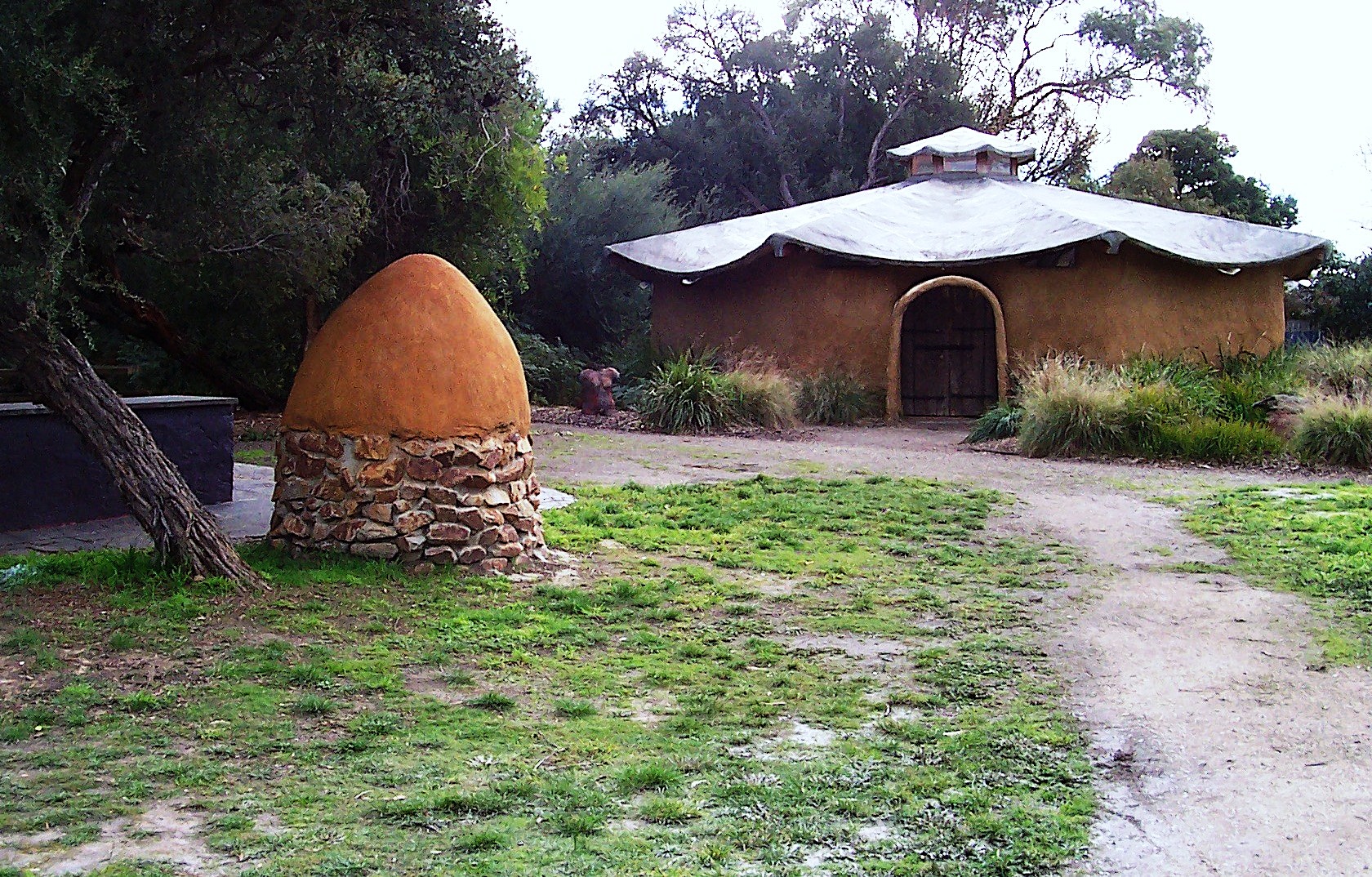
Figure 1: The hut and pizza oven built by Hands on Learning teams at Frankston High School.
Positioning an unusual hut in a prominent location serves a number of purposes: it literally provides a presence within the school ensuring HOL is not an invisible activity but rather a normal part of the school’s offerings and of which the school can be proud; it stimulates curiosity amongst students, staff, parents, and other community members – thereby making it better known, accepted, and valued; it provides a setting where marginalised students can be observed engaging in productive activities which frequently changes how they are perceived by peers and their teachers; and it provides an obvious landmark that students can (and do) show to family and friends as evidence of what they are part of and connected to.
The following quote is typical of the feedback HOL schools receive:
“HOL has made school a good experience for Chris. I used to be on first name basis with all the teachers as Chris spent more time on suspension than he did at school. The last two years have been a big turnaround. Chris has developed his skills for later in life, he wants to be a chef and the teamwork and communication skills he has developed are making such a difference. Now I’m constantly dragged to school to see all the great projects he’s worked on or to meet his teachers and friends at the regular HOL parent nights. I’m stoked Chris has something like HOL and the chance to grow from that boy to man.”
Sue, Parent, Mornington Secondary College.
This comment illustrates the sense of ownership and pride students derive from the finished products they have helped to create. It exemplifies a strong sense of belonging to the places they have helped improve, and the overall increased sense of being connected.
While a dedicated setting provides many advantages, it would be just an empty building without the HOL teams. As described earlier a HOL team consists of two adults and ten students across a range of age groups and a mixture of male and female students and staff, as can be seen in Figure 2. The primary purpose of spending the entire day together each week is to get to know each other in a context designed to resemble a worksite rather than a classroom. Everyone is on a first name basis, and everyone ostensibly engages in the same work. Older students are encouraged to take on leadership roles within the team, and jobs are apportioned equitably.
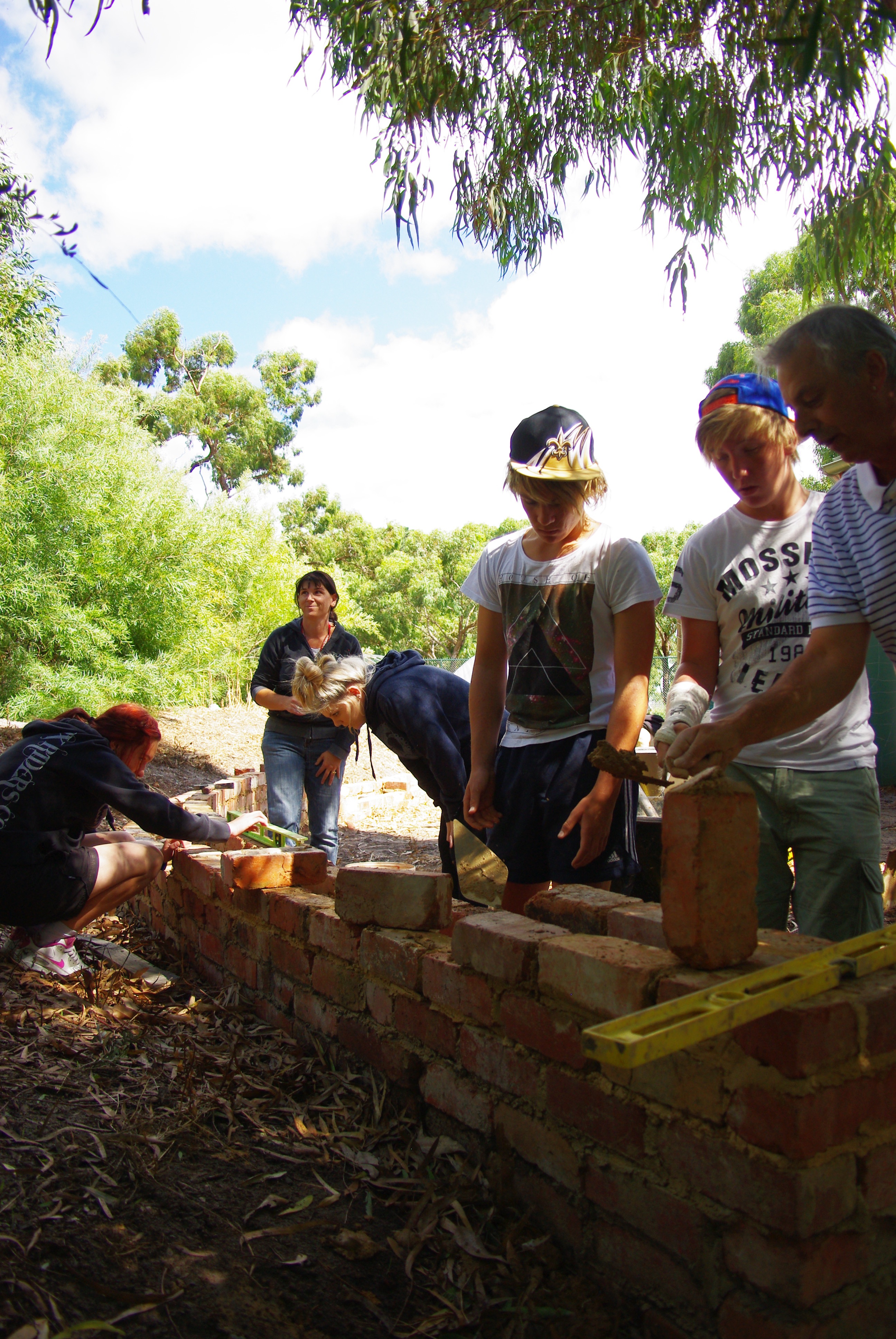
Figure 2: Part of a HOL team working on a new feature wall for their school in metropolitan Melbourne.
Being part of the same group of people over the course of one or more years provides an effective means for students to form robust, quality relationships. These connections can have enduring positive impacts on young people’s lives.
“HOL gave me a break, people to talk to. It was a safe haven for kids like me who needed space when I was struggling at school. We worked in small groups, felt accepted, people cared, and it was the first time I learnt that grown-ups can help us, instead of force things upon us all the time. Most of all it taught us how good it feels to work hard for something, see the finished result, walk around the school see all the things we built together and it felt great to see people valuing and enjoying what I had worked hard on. That lesson is just as useful now I’m at university.”
Kate, past student Frankston High School.
“Before HOL I didn’t like going to school. I didn’t want to do the work, it wasn’t that I wasn’t capable, I just had no motivation. Sitting listening to talking all day, not doing, and being expected to retain all that information wasn’t the way I engaged in learning. It didn’t interest me so I didn’t give it a shot. Getting a chance to do things with my hands was a defining time for me. Being out of the classroom, doing something useful, and having the chance to try new things was brilliant. I fell in love with it straight away and the teachers were awesome. Hands On was a great way to learn the teamwork and relationship skills that I use every day of my working life. I’m so glad I stayed at school so I could get this job.”
Toby, past student, McClelland Secondary College
For these ex-students the formative nature of the relationships they developed in HOL led to powerful life lessons. In this way HOL provides young people with a sense of personal connectedness that has a positive influence on their lives well beyond the actual time spent in HOL.
It is also evident that students derive a strong sense of meaning and control from HOL. In their international review of education innovations Lucas, Claxton, and Spencer (2013) described HOL as a “powerful example” of real-world learning that promotes “group collaboration, problem-solving, and empathy for and care of the natural world” (p. 102). Such skills contribute to students sense of self-efficacy or control.